Green Lanes oven and kitchen cleaning services compared: what to know before you book
If you are trying to compare Green Lanes oven and kitchen cleaning services, you are probably after two things at once: a properly clean cooking space and a service that feels worth the money. Fair enough. Kitchens take a beating, and ovens are usually the last thing anyone wants to tackle after work, school runs, or a busy weekend. Grease builds up quietly, then suddenly the whole place smells a bit stale, the extractor looks tired, and the hob has that sticky film that never quite shifts with a quick wipe.
This guide breaks down Green Lanes oven and kitchen cleaning services compared in a practical way. You will see what each service usually includes, how they differ, where the value sits, what to ask before you book, and how to avoid paying for the wrong thing. We will also cover service quality, hygiene expectations, and the kinds of cleaning jobs that pair well with a deeper kitchen reset, such as stubborn stain removal and commercial carpet cleaning for busy food-led premises.
The goal is simple: help you choose the right service without second-guessing yourself afterwards.
Table of Contents
- Why Green Lanes oven and kitchen cleaning services compared Matters
- How Green Lanes oven and kitchen cleaning services compared Works
- Key Benefits and Practical Advantages
- Who This Is For and When It Makes Sense
- Step-by-Step Guidance
- Expert Tips for Better Results
- Common Mistakes to Avoid
- Tools, Resources and Recommendations
- Law, Compliance, Standards, or Best Practice
- Options, Methods, or Comparison Table
- Case Study or Real-World Example
- Practical Checklist
- Conclusion
- Frequently Asked Questions
Why Green Lanes oven and kitchen cleaning services compared Matters
Let's face it, "kitchen cleaning" can mean very different things depending on who is offering it. One provider may focus on a surface-level refresh: splashbacks, worktops, hob, sink, cupboard fronts, and the visible grime. Another may include a more detailed oven clean, perhaps with racks removed, interior degreased, fan area cleaned where accessible, and stubborn carbon build-up treated properly. Compare the two badly, and you can end up with a sparkling tap but a smoky oven door that still looks half-finished. Not ideal.
That is why comparing services in Green Lanes matters. The area has a mix of busy homes, shared flats, cafes, takeaways, and small commercial kitchens, so people are usually balancing speed, hygiene, and disruption. A proper comparison helps you decide what level of clean you actually need, rather than assuming every service covers the same ground.
There is also a trust issue. When a kitchen is cleaned well, you can see it immediately: cleaner tiles, less grease around handles, fewer odours, a fresher feel in the room. But oven cleaning is a different beast. It is slower, more fiddly, and often more labour-intensive. So if the quote looks suspiciously low, ask what is included. A cheaper price may simply mean less detail. Truth be told, that is where a lot of disappointment starts.
If you are already reviewing broader home care services, it can help to see how kitchen cleaning sits alongside fabric and upholstery maintenance. For example, a full property refresh may include carpet cleaning, upholstery cleaning, or even sofa cleaning, especially after a renovation, rental turn-around, or a long winter indoors. Different surfaces, different methods. Same overall aim: a cleaner, healthier space.
Expert summary: If you need the whole kitchen refreshed, compare what is included in the room clean and the oven clean separately. If you only need the appliance restored, make sure the quote reflects that level of detail. The best value is usually the service that is specific, not the one with the flashiest wording.
How Green Lanes oven and kitchen cleaning services compared Works
Most people start by asking for a quote, then the cleaner will usually ask a few practical questions: what kind of oven you have, whether the kitchen is domestic or commercial, how heavy the grease build-up is, and whether any delicate finishes need care. That initial discussion is not just small talk; it shapes the method, the time needed, and what products are appropriate.
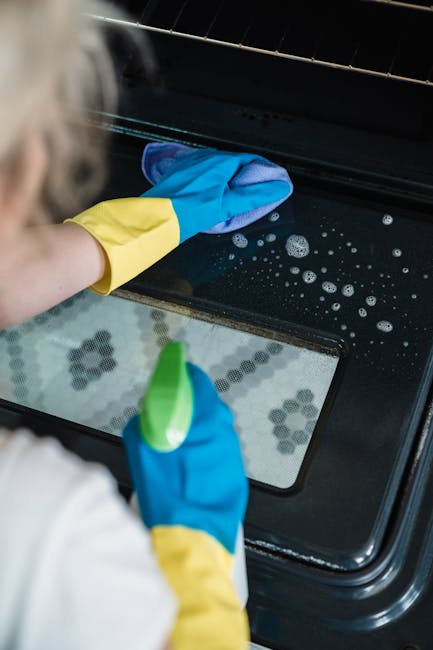
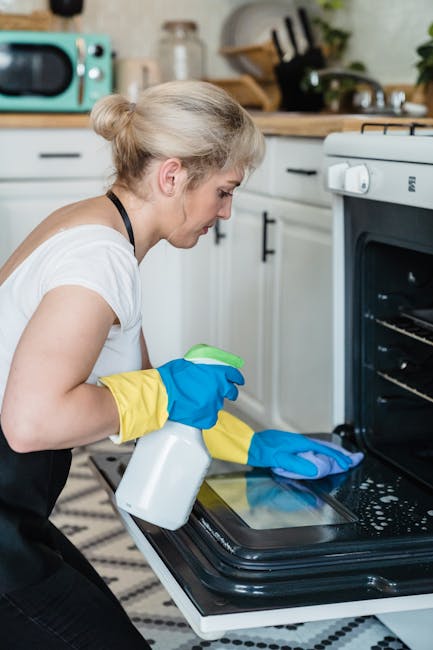
A kitchen clean is usually broader. It may include worktops, splashbacks, cupboard exteriors, extractor hoods, sinks, taps, appliance fronts, kickboards, and accessible grease-prone areas. Some services may also include internal fridge or microwave cleaning, though that should never be assumed. Oven cleaning, by contrast, is more focused. It usually involves disassembly of removable parts, soaking or degreasing those parts, cleaning the oven cavity, glass panels, seals, door frame, and reassembly once everything is dry and safe.
That difference matters because the challenge is different. Oven cleaning is about heavy baked-on residue, carbon, grease, and heat-stained surfaces. Kitchen cleaning is about hygiene, day-to-day grease, fingerprints, food splashes, and keeping the room pleasant to use. One is more surgical; the other is more environmental. A little like comparing a deep scrub to a room reset, really.
In a good service, the cleaner should also take care around surfaces that can be damaged by harsh treatment. Certain stone worktops, matt finishes, and specialist coatings need the right approach. The same applies where kitchens connect to soft furnishings nearby. Steam, splashes, and cleaning residue can travel, so it is often sensible to think about the wider room, not just the oven door in front of you. That is where services such as steam carpet cleaning or rug cleaning can become relevant after a full home or property refresh.
In commercial settings, the process is often scheduled to reduce downtime. A kitchen clean after service hours may be paired with an inspection of high-touch areas and a clear plan for any follow-up work. For a small takeaway or cafe, that practical planning is often more valuable than a generic "deep clean" promise.
Key Benefits and Practical Advantages
When you compare oven cleaning with full kitchen cleaning properly, the benefits become clearer than the marketing blur. Each service solves a different problem, and each one can save you time, stress, or even money in the long run.
- Better hygiene: Grease and food residue can hold odours and attract more dirt, so a proper clean keeps the kitchen feeling fresher.
- Improved cooking performance: A cleaner oven heats more evenly and is less likely to smoke during cooking.
- Less wear and tear: Built-up grime can make surfaces look older than they are and can damage finishes if left too long.
- Time saved: What takes you half a weekend may take an experienced cleaner a far more manageable slot.
- Clearer value: Comparing services makes it easier to see whether you are paying for specialist oven work, a wider kitchen reset, or both.
- Better first impressions: This matters in rentals, hospitality, and any home where guests tend to wander into the kitchen first, because they always do.
There is also a practical property-maintenance angle. Kitchens often sit at the centre of the home, and once they are clean, the rest of the place suddenly looks less chaotic. It is a bit annoying, actually, how much difference a clean oven and grease-free splashback can make. But there you go.
For landlords and business owners, the comparison is even more important. A kitchen clean may help with turnover speed, while oven cleaning may be the missing piece that makes the whole unit feel properly ready. If you manage a property with multiple fabrics, furnishings, or soft surfaces nearby, coordinating the clean with mattress cleaning or curtain cleaning can make the final result feel far more complete.
Who This Is For and When It Makes Sense
This comparison is useful for more people than you might think. You do not need to run a restaurant to care about oven grease and kitchen hygiene. In fact, some of the most common requests come from ordinary households that have simply reached the point of "I cannot be bothered with this anymore" - a perfectly valid stage, by the way.
It makes sense if you are:
- moving into or out of a property and want the kitchen to feel genuinely clean
- preparing a home for sale or rental viewings
- running a busy household with heavy oven use
- managing a cafe, takeaway, shared kitchen, or food prep space
- dealing with lingering cooking smells, grease, or smoke stains
- trying to restore a neglected oven without replacing it
- planning a wider spring clean or post-renovation refresh
It also makes sense when you have a mixed cleaning problem. For example, if the kitchen has greasy deposits and the adjoining dining area has marks on soft furnishings, a broader plan may be smarter than treating the oven in isolation. A cleaner can usually advise whether a simple appliance clean is enough, or whether the room needs a wider approach.
Not every kitchen needs the same service. A lightly used flat kitchen may only need the oven and hob sorted. A family kitchen after months of roasting, baking, and general life may need more. A commercial kitchen is a different animal again, with grease management and workflow to think about. Different use, different clean.
Step-by-Step Guidance
If you are comparing providers in Green Lanes, the easiest way to avoid confusion is to follow a simple process. It does not need to be complicated, and honestly, the straightforward approach usually gets the best result.
- Identify the problem. Decide whether the issue is mainly the oven, the whole kitchen, or both. Look for grease, odours, visible dirt, and any neglected corners.
- List the surfaces. Make a quick note of what you want cleaned: oven, hob, extractor, splashbacks, cupboards, sink, appliances, floors, or all of the above.
- Ask what is included. A proper quote should make it clear whether the service is appliance-specific or room-wide.
- Check the method. Ask how they handle delicate finishes, heavy grease, and removable oven parts. You do not need technical jargon. You need clarity.
- Compare like for like. Do not compare a basic oven clean with a full kitchen deep clean as if they are the same thing. They are not.
- Ask about access and timing. Will they need parking, a clear work area, or time when the kitchen is not in use?
- Confirm safety steps. Good providers should explain product use, ventilation, and how they protect surrounding areas.
- Book based on value, not just price. Cheapest is rarely cheapest if you need a return visit or extra work later.
A practical example: if the oven is smoke-stained and the kitchen walls have splash marks around the cooker, you may need both services together. If the room is fine but the oven is performing badly and giving off odours, the oven clean is probably the priority. Simple, but easy to muddle when you are staring at everything at once.
Expert Tips for Better Results
Over the years, a few patterns keep showing up. The jobs that go smoothly are usually the ones where the customer gives clear information up front. The jobs that go sideways? They often begin with vague expectations and a lot of "I thought that was included." So here are the practical tips that actually help.
- Photograph the problem area before booking. It helps you compare quotes honestly and keeps the scope clear.
- Say if you have specialist finishes. Matt kitchens, stone counters, glass splashbacks, and brushed metals all need more care than people think.
- Tell the cleaner about recent cooking habits. Heavy roasting, frying, and grilling can change the level of grease quite a bit.
- Ask for the oven details. Single oven, double oven, range, extractor, or combination unit - each one takes a different amount of work.
- Ventilate the room afterwards. Even when safe products are used, a little fresh air is never a bad idea.
One small but useful detail: if your kitchen also has fabric items nearby, such as a dining chair set or window dressing, it can be worth planning those separately so you do not trap odour or moisture in soft surfaces. If that sounds obvious, it is. But people forget in the rush.
And a tiny human truth - the moment the oven glass is clear again, the whole kitchen often feels ten degrees cleaner. Strange, but very real.
Common Mistakes to Avoid
The biggest mistake is assuming all cleaning services are built the same. They are not. Another common issue is booking a full kitchen clean when the real problem is just the oven, or vice versa. That usually leads to frustration, not savings.
- Not checking inclusions: If extractor hoods, cupboard fronts, or appliance interiors matter, confirm them in writing.
- Choosing only on price: Very low quotes can mean a light surface clean or extra charges later.
- Ignoring material sensitivity: Harsh degreasers on the wrong finish can leave dull patches or damage.
- Failing to clear the space: A messy work area slows the clean down and can reduce quality.
- Expecting miracles from a standard visit: Severe carbon build-up or long-neglected grease may need a more detailed service.
- Forgetting nearby soft furnishings: Grease, steam, and odours can linger in the room if fabrics are overlooked.
The other classic mistake is leaving the oven until it becomes a "job for later." Later arrives, and it is worse. Much worse. The same is true of kitchen grease, really. The sooner you deal with it, the easier the clean.
Tools, Resources and Recommendations
You do not need a cupboard full of gadgets to make the right decision. In most cases, a few simple tools and a sensible approach are enough.
- Phone camera: Useful for comparing the current condition with quotes and post-clean results.
- Room checklist: Write down every area you want cleaned so nothing gets missed.
- Surface notes: Keep track of delicate materials, coatings, or any area that needs special care.
- Time plan: Think about when the kitchen is least busy, especially in homes with children or in commercial use.
- Service comparison sheet: A simple side-by-side list of "included", "not included", and "extra" can save a lot of back-and-forth.
If you want to compare service levels more broadly, it can also help to look at how other household cleaning needs fit together. For instance, a property reset often pairs kitchen work with pet stain odour removal, rug cleaning, or curtain cleaning. The point is not to overbook. It is to understand how each part of the space affects the next.
If you are also looking at cost and booking details, the company's pricing and quotes information can help set expectations before you speak to anyone. That sort of upfront clarity saves time on both sides.
Law, Compliance, Standards, or Best Practice
For most domestic customers, compliance is mostly about safe cleaning practice rather than anything overly technical. For commercial kitchens, though, the bar is higher. You need a service that understands hygiene expectations, safe product use, access control, and the realities of a working environment.
In the UK, good practice usually means cleaners should work with appropriate care around chemical handling, ventilation, electrical appliances, hot surfaces, and slip risks. If food preparation areas are involved, the provider should be mindful of contamination risks and cleaning residue. That does not mean every job needs a formal audit, but it does mean the work should be carried out in a tidy, safe, and methodical way.
Business owners should also think about insurance and transparency. If a provider is working around high-value appliances, fitted units, or customer-facing space, it is sensible to confirm that they have the right cover and clear working practices. The service should feel controlled, not improvised.
For reassurance, you can review the company's health and safety policy and insurance and safety information before booking. If you are making a purchase online or asking for a quote, it is also wise to understand payment and security and the terms and conditions. A bit dull? Yes. Useful? Absolutely.
There is also a broader responsibility angle for businesses and households that want to reduce waste. Choosing a service that helps extend the life of an oven or kitchen finish can be more sensible than replacing items too early. That ties in neatly with recycling and sustainability values, even if only in a small practical way.
Options, Methods, or Comparison Table
Here is a simple comparison to help you see the differences more clearly.
| Service type | Best for | Typical focus | Main benefit | Possible limitation |
|---|---|---|---|---|
| Oven cleaning | Heavy grease, smoke marks, burnt-on residue, poor oven performance | Interior cavity, racks, door glass, removable components | Restores cooking performance and reduces odours | Does not usually cover the wider kitchen |
| Kitchen cleaning | Whole-room refresh, hygiene reset, visual improvement | Worktops, splashbacks, cupboard fronts, hob, sink, accessible surfaces | Improves the look and feel of the kitchen overall | May not include a deep oven restoration |
| Combined service | Move-outs, property refreshes, busy households, commercial resets | Both appliance and room-level cleaning | Best all-round result and better value when both are needed | Usually takes longer and costs more than either job alone |
The combined option often makes the most sense when the kitchen is genuinely tired rather than just dirty in one spot. If you are dealing with a deeper clean across the home, it can be sensible to bundle services where appropriate. For example, a property clean might include mattress cleaning or steam carpet cleaning alongside kitchen work, especially after tenants move out or after a long period of heavy use.
Case Study or Real-World Example
Imagine a Green Lanes flat where the kitchen has seen a lot of weekday cooking and a fair amount of weekend frying. The oven is smoky, the hob has a sticky edge around the burners, and the cupboard doors have a thin film of grease near the handles. The person living there asks for "kitchen cleaning" and expects the oven to be transformed too. Reasonable assumption, but not always accurate.
On inspection, the cleaner separates the job into two parts. First, the oven needs a detailed clean because the build-up is inside the cavity and around the door glass. Second, the room needs a lighter but thorough kitchen clean because the issue is spread across touchpoints and surfaces. The cleaner explains that doing only the oven would improve cooking but would leave the room looking half-done. Doing only the kitchen would make the room fresher but still leave the oven smelling when in use. So the best choice is both, scheduled together.
The result is not dramatic in a glossy, perfect-home sense. It is more practical than that. The oven stops smoking. The kitchen smells less stale. The worktops look calmer. The whole place feels easier to live in on a Monday morning, which is what most people actually want. No theatre, just relief.
This is the kind of decision that good comparison makes possible. You pay for what you need, not for a vague label.
Practical Checklist
Use this before you book.
- Have I identified whether I need oven cleaning, kitchen cleaning, or both?
- Have I listed every area I want included?
- Have I checked whether the oven clean includes racks, glass, seals, and removable parts?
- Have I confirmed whether cupboard fronts, splashbacks, and extractor areas are included?
- Have I mentioned any delicate surfaces or specialist finishes?
- Have I asked about timing, access, and any disruption to cooking?
- Have I compared quotes on a like-for-like basis?
- Have I checked safety, insurance, and payment details?
- Have I planned for any nearby soft furnishings or other cleaning needs?
- Have I chosen value and clarity over the lowest headline price?
If the answer to most of those is yes, you are in a good place. If not, slow down a touch and ask a few more questions first. That little bit of care usually pays off.
Conclusion
Comparing Green Lanes oven and kitchen cleaning services is really about choosing the right level of clean for the real problem in front of you. Some jobs need a specialist oven restoration. Others need a broader kitchen refresh. Many need both. The best decision is the one that matches the state of the space, your time, and the result you want when you walk back into the room.
When you compare properly, you avoid hidden assumptions, wasted money, and that slightly deflated feeling of discovering the "deep clean" was not quite deep enough. A clear quote, a clear scope, and a clear expectation tend to beat guesswork every time.
Get a free quote today and see how much you can save.
And if you are still weighing up the next step, keep it simple: look at the kitchen honestly, ask the right questions, and choose the service that gives you confidence as well as cleanliness. That is usually the sweet spot.
Frequently Asked Questions
What is the difference between oven cleaning and kitchen cleaning?
Oven cleaning focuses on the appliance itself: the cavity, racks, glass, seals, and grease build-up. Kitchen cleaning covers the wider room, such as worktops, splashbacks, cupboard fronts, sinks, hobs, and other visible surfaces.
Should I book oven cleaning and kitchen cleaning together?
If the whole room looks tired or greasy, yes, often it makes sense. If the issue is mainly inside the oven, a specialist oven clean may be enough. The best choice depends on what actually needs attention.
How do I know which service I need?
Look at where the dirt is. If it is mostly inside the oven or around the door, choose oven cleaning. If the issue spreads across the room, choose kitchen cleaning. If both are bad, book both and save yourself the hassle of a partial result.
Does a kitchen clean usually include the oven?
Not always. Some providers include oven cleaning as an extra, while others treat it as a separate service. Always check the quote before you book. It sounds obvious, but people get caught out by this quite often.
How long does a typical oven clean take?
It depends on the size of the oven and the level of build-up. A light clean may be quicker, while a heavily used oven with baked-on grease will take longer. The condition of the appliance matters more than the clock.
Is a deep kitchen clean worth it for a rental property?
Usually, yes. A well-cleaned kitchen helps with presentation and can make the property feel ready for the next occupant. If the oven is poor as well, pairing the two services often gives the best return.
What should I ask before booking a cleaning service?
Ask what is included, how they handle delicate surfaces, whether the oven racks and glass are part of the service, and whether the quote covers the whole kitchen or just selected areas.
Can kitchen cleaning help with odours?
Yes, especially if the smell is caused by grease, food residue, or a neglected oven. Sometimes the odour sits in the oven, sometimes it sits in the room. A proper clean should target the source.
Are commercial kitchen cleans different from domestic ones?
Yes. Commercial kitchens usually need tighter planning, faster turnaround, and more attention to workflow and hygiene expectations. Domestic jobs can be more flexible, but they still benefit from the same careful approach.
What if my oven is too dirty for a standard clean?
Then you may need a more intensive treatment or a longer appointment. A reputable cleaner should tell you honestly if the job is heavier than normal. That kind of honesty is usually a good sign.
Can I combine kitchen cleaning with other home cleaning jobs?
Absolutely. Many people plan a broader refresh and add services like carpet, rug, sofa, or upholstery cleaning when it makes sense. That is often more efficient than booking separate visits every few weeks.
How can I get the best value from a cleaning visit?
Be clear about what you want cleaned, clear about the condition of the space, and clear about the result you expect. Good information up front usually means a better quote and a better outcome.
Where can I check the company's policies before I book?
You can review the business details on its about us page, plus its privacy policy and related service information to understand how it works and what to expect.
What is the safest next step if I am still unsure?
Start with a clear enquiry and ask for a like-for-like quote. Once you see what is included, the decision gets much easier. No need to overthink it.